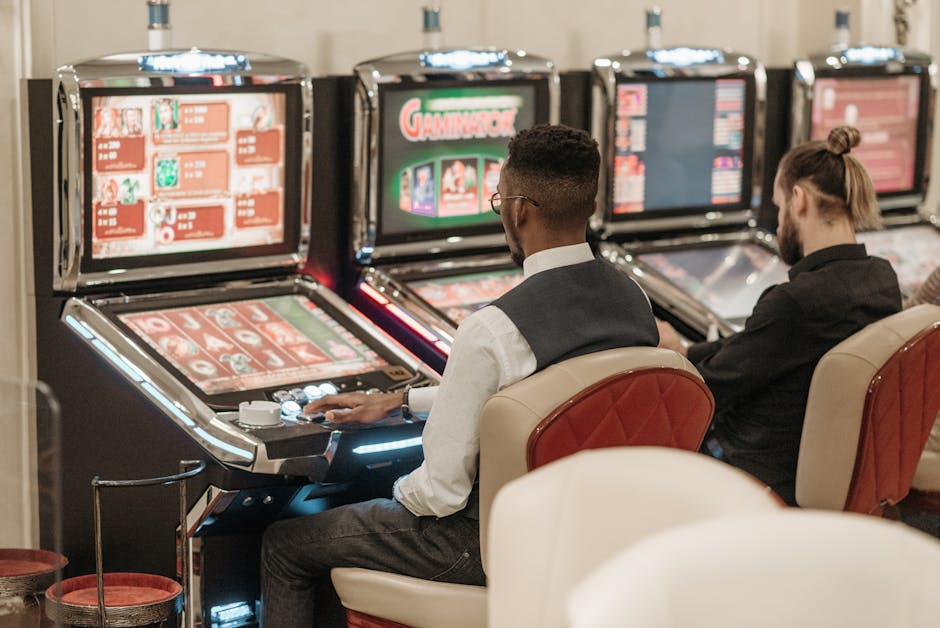
The world of online slots has evolved dramatically in the last decade. One of the most striking changes is the way backgrounds are no longer static images but dynamic, moving canvases that bring the gaming experience to life. If you've ever noticed slot backgrounds that seem to stretch, shift, or dance alongside the reels, you're seeing the result of cutting-edge design techniques leveraged by modern web technologies.
In this post, we will explore why moving backgrounds in casino slots have become a defining feature of modern gaming, how modern slot art uses layered animations to create immersive worlds, and why this trend is here to stay. We'll also dive into how adaptive music and bonus round designs contribute to a fully synergistic experience.
From Static to Cinematic: The Evolution of Slot Backgrounds
Traditionally, slot machines—whether physical or digital—used static background images: simple, flat designs that framed the spinning reels without much interaction. The focus was primarily on symbols and paylines, with backgrounds playing a secondary visual role.
Today, however, slot backgrounds have transformed into complex, moving visual stories that react to game events, player actions, or simply cycle through animations that keep your eyes engaged. This movement is not arbitrary but born from a combination of:
- Technological advancement in modern web browsers supporting HTML5 and CSS3 animations The rise of mobile vertical play demanding responsive and adaptive interfaces Increasing integration of licensed entertainment that acts as instant world-building Creative UI design embedding animation as a core part of user interaction
The Role of Modern Web Browsers and HTML5
The shift to HTML5 as the industry standard for online slots has been a game-changer. Unlike Adobe Flash, which is now deprecated, HTML5 supports rich multimedia content that loads quickly and scales smoothly across devices.
Thanks to browser engines like Chromium, WebKit, and Gecko, developers can implement:
- Layered animation slots where multiple visual layers move independently to create depth and parallax effects Canvas-based drawing and GPU-accelerated rendering, allowing complex animations with minimal lag Seamless integration of vector graphics and sprite sheets for responsive scaling
These capabilities mean that moving backgrounds are no longer performance bottlenecks but integral artistic elements that enhance gameplay.
The Impact of Mobile Vertical Play and Responsive Interfaces
With over half of online casino traffic coming from mobile devices, slots must adapt to smaller screens without sacrificing visual appeal or usability.
Vertical play—holding phones upright—has become a common standard for slots on mobile. This format demands rethought interfaces and visuals that:
Optimize space without cluttering or overwhelming the player Ensure movement and animation do not distract from critical game information like paytables Leverage the natural swipe gestures to initiate bonus rounds or spin actionsResponsive moving backgrounds allow designers to create separate animation layers that scale or shift independently, maintaining immersion on devices ranging from 4-inch phones to tablets. This adaptability helps the background flow naturally with changing screen size or orientation.
Licensed Entertainment as Instant World-Building
One of the biggest drivers behind increasingly animated slot backgrounds is the prevalence of licensed entertainment themes. Popular movies, TV shows, comics, and music brands bring instantly recognizable worlds and characters, raising player expectations for high production quality and faithful representation.
In this context, the background is more than decorative; it becomes part of the storytelling:
- A James Bond themed slot might feature a moving London cityscape or a high-speed chase in the background. A Game of Thrones slot situates the reels before a flickering castle with shifting weather effects. An animated superhero slot presents backgrounds that pulse with energy whenever a power-up activates.
These moving backgrounds create immediate immersion and reinforce the licensed IP, making the slot feel like an interactive extension of the original entertainment rather than a generic game with pasted logos.
Animation as Part of the User Interface
Moving backgrounds are often designed as functional UI elements rather than mere eye candy. They can subtly guide player attention, indicate game states, or prepare the user psychologically for upcoming events.
Common UI-driven background animations include:
- Highlighting active paylines: The background may subtly glow or pulse along the winning lines. Anticipation cues: Background elements might ripple or shimmer before a bonus round triggers. Feedback animations: After big wins, the background can flash celebratory visuals synchronized with sound effects.
This integration of animation with functional UI helps reduce confusion and keeps players oriented during fast-paced action.
Adaptive Music and Cinematic Sound Design
Slot developers increasingly pair moving backgrounds with soundscapes that adapt dynamically to gameplay. Just like Find more info the visual layers, audio layers react to:
- Game states (spinning, winning, losing, entering free spins) Player interactions (taps, swipes, pauses) Bonus rounds (cinematic sequences with distinct scores)
These adaptive scores and sound effects complement the motion on-screen, creating a full sensory narrative. When a bonus round begins, for example, the background animation might slow or shift hues while the music swells, signaling a shift in gameplay intensity.
Bonus Rounds as Short Interactive Scenes
Modern slots often treat bonus rounds not just as random mini-games but as brief interactive scenes layered over the main game environment. This design choice aligns with the moving backgrounds, which often transition seamlessly into these scenes.
Examples include:
- A slot based on a detective show where the background animates to a crime scene, inviting players to "investigate" interactive objects. A fantasy slot where bonus rounds place the player inside a castle siege, with moving siege equipment and dynamic lighting. A music-themed slot where the background becomes a concert stage, and players trigger animated musical instruments.
These bonus rounds leverage moving backgrounds as a narrative tool, heightening player engagement beyond clicking spin buttons.
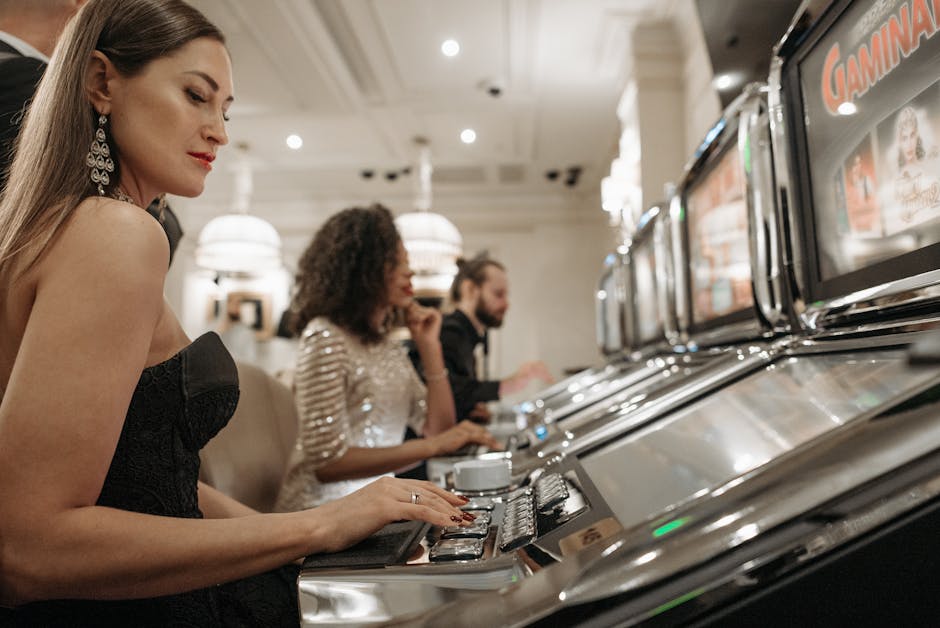
Challenges and UI Sins to Avoid
While moving backgrounds fuel immersion, careless implementation can lead to UX issues—something I always watch for as a UX-focused slot editor. Common pitfalls include:
- Tiny text overlays: Animated backgrounds can make paytables or game info hard to read if transparency and contrast are not managed well. Visual clutter: Excessive or competing animations can distract players from key game elements. Performance lag: Older or low-end devices might struggle with complex animations, causing stutter or battery drain.
The best modern slots build moving backgrounds with layered animation slots, meaning each layer is individually optimized and controlled. This approach lets designers mute, slow down, or simplify animations on demand, especially in low-power modes or muted sound contexts.
Conclusion: Moving Backgrounds Are Here to Stay
Moving backgrounds in online slots are much more than a passing trend. They represent an evolution towards fully immersive, cinematic gaming experiences made possible by modern web technologies and driven by player expectations shaped by licensed entertainment. HTML5 compatibility and responsive mobile design unlock an arsenal of layered animation slots, enhancing interactivity and emotional engagement.
Combined with adaptive music and interactive bonus rounds, these dynamic backgrounds create slot worlds that evolve with the player rather than simply spinning symbols on a static stage.
If you're a player wondering why slot backgrounds move so much now, it's because the industry is designing slots not just as games, but as interactive stories—and every Visit the website moving element is a brushstroke on that canvas.