Step into any contemporary online casino, and you might notice a startling trend: slot backgrounds move and shift more than ever before. The once static, simple backdrops have transformed into dynamic, vibrant canvases that play a crucial role in delivering immersive gaming experiences. But what’s driving this surge in motion? And how do developers leverage modern technologies and design philosophies to craft such stunning layers of animation?
In this deep dive, we'll unpack the reasons behind the rise of moving backgrounds casino designs, with special attention to modern slot art, layered animation slots, and how the evolution of web browsers and mobile interfaces makes all this possible.
From Static to Cinematic: The Evolution of Slot Backgrounds
Traditional slot machines—both physical and early digital versions—tended to have simple, almost utilitarian backgrounds. This was due to technological constraints, screen resolutions, and processing power. Fast forward to the current era, and what you get are background scenes that look like they belong in a cinematic production rather than a gambling game.
- Licensed Entertainment as Instant World-Building: Today’s slots often come with big-name licenses — movies, TV shows, famous characters — and backgrounds dynamically represent these worlds. Instead of a static image, the backdrop becomes a fully-fledged stage where the game’s story and mood can unfold. Animation as Part of the User Interface: Background motion isn’t just eye candy; it’s an interactive part of the UI that responds to game states, wins, or bonus triggers. Adaptive Music and Cinematic Sound Design: Moving visuals are paired with adaptive audio, creating an immersive environment that makes gameplay feel more engaging, almost theatrical. Bonus Rounds as Short Interactive Scenes: Bonus games now often play out as mini-scenes where backgrounds dynamically change, supporting storylines that keep players hooked.
Why Do Slot Backgrounds Move So Much Now? Three Core Drivers
1. The Power and Flexibility of Modern Web Browsers & HTML5
The technical backbone enabling modern moving backgrounds is the massive leap in web development technology, especially the HTML5 standard. Here’s why:
- Cross-Platform Compatibility: HTML5 allows the same animated sequences to run smoothly on desktops, tablets, and smartphones, without needing plugin installations. GPU Accelerated Graphics: Modern browsers utilize GPU acceleration, meaning animations and layered graphics render fluidly even on relatively modest hardware. Advanced APIs for Animation: Developers use WebGL, Canvas, and SVG animation techniques integrated into HTML5 to layer multiple graphical elements that can animate independently for a rich, multi-dimensional effect.
What this means for the end user is that moving backgrounds aren’t just gimmicks—they’re high-resolution, smooth, and integrated into the slot’s core play experience seamlessly across devices.
2. Mobile Vertical Play and Responsive Interfaces
Mobile usage dominates online gaming, and screen shapes and sizes vary drastically. Developers have had to rethink UI/UX design to preserve both aesthetic and functionality.

- Vertical Orientation: Slots designed for vertical play bring unique challenges — limited space and different viewing angles. Responsive Interfaces: Dynamic backgrounds adapt to changing screen sizes and resolutions, filling space intelligently rather than just scaling a static image. Interaction-Driven Animation: On mobile, background animation sometimes serves as subtle feedback to taps or spins, enhancing user engagement without overwhelming smaller screens.
The result is background animations that are responsive and mindful of the device context, no longer one-size-fits-all but interactive backdrops optimized for the player’s device.
Breaking Down the Theme Layers: How Layered Animation Slots Work
One of the defining trends in modern slot art is the use of layered animations. Instead of a single flat background, developers stack multiple elements — foreground, midground, background — each capable of movement or transformation independently.
Layer Purpose Typical Animation Background Set the mood and environment (forests, cities, underwater scenes) Slow drifting clouds, flickering lights, moving water surfaces Midground Complement story elements and slot symbols Animated fires, moving vehicles, waving flags Foreground Engage players with immediate interactive feedback Particle effects, glowing borders, sparkles around winsBecause the layers move at different speeds and directions, it produces a parallax effect. This gives the slot depth and three-dimensionality, making the entire scene feel alive. This layered approach also allows theming that fits licensed entertainment seamlessly—each layer can southfloridareporter.com be animated while preserving symbol clarity and paytable readability.
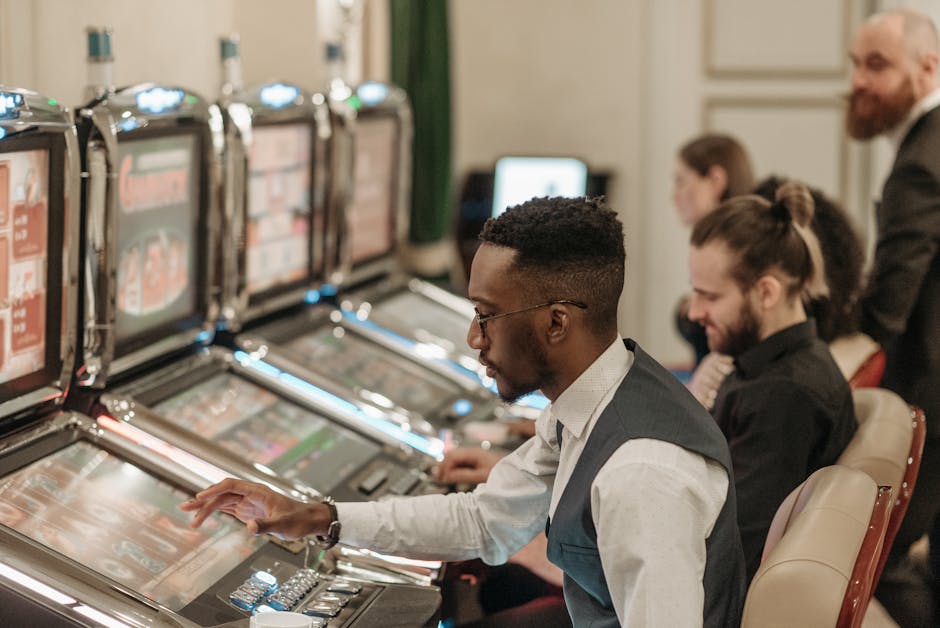
Example: Licensed Entertainment as Instant World-Building
Take a slot based on a popular fantasy TV series. The background might show an ominous castle slowly shrouded in mist, the midground features flickering torches along walls, and the foreground sparkles when special bonus symbols land. The layered animations pull you instantly into the universe without needing a cutscene or backstory, extending the brand’s narrative world-building within the gameplay itself.
Animation's Role Beyond Aesthetics: UI and Player Engagement
Moving backgrounds do far more than catch the eye—they’re integral to the game’s UI. For instance:
- Win Feedback: Background animations amplify the impact of wins or bonus triggers through spectacular changes—flames erupting, skies brightening, or mysterious shadows darting. Session Awareness: Subtle changes in backgrounds can nudge players psychologically, signaling safe bets or rewarding streaks, improving game flow perception. Accessibility: Animation sometimes helps focus player attention by dimming inactive areas or highlighting payline hits.
As a veteran content editor, I test slots both with sound on and muted to ensure these visual audio-visual cues hold up independently — and this plays a huge role in why animation matters so much now.
Adaptive Music and Cinematic Sound: The Perfect Pairing
Moving backgrounds would be incomplete without equally adaptive audio layers. Modern slots use cinematic sound design and adaptive music scores that change based on game context.
When the background shifts, so does the soundtrack — whether it’s an intensifying drumbeat during a bonus round or soft ambient noises in calm spins. This audio-visual synergy fosters deeper player immersion and emotional connection.
Bonus Rounds as Mini Interactive Scenes
Gone are the days of static bonus wheels or simple card choices. Today’s bonus rounds resemble short interactive films, where backgrounds are integral players themselves:
Scene Transitions: Backgrounds morph smoothly, transporting players to new locations inside the game’s world. Interactive Elements: Clickable objects embedded within backgrounds drive bonus choices, making players feel like protagonists instead of passive observers. Layered Animation: Background movement syncs with player actions—tapping an object might cause nearby foliage to sway or clouds to part, deepening the illusion.This approach transforms the bonus game from an isolated mechanic to a narrative progression embedded in the slot’s thematic universe.
Beware the UI Sins: When Animation Goes Overboard
While moving backgrounds elevate game design significantly, there are some pitfalls to avoid:
- Busy or Cluttered Backgrounds: When layered animation competes against the reels, it can impair symbol readability—especially on smaller mobile screens. Tiny Text Against Moving Scenes: Players struggle to read paytables or instructions if text overlays a constantly shifting background. Distracting Motion: Excessive or overly rapid animations can fatigue or frustrate players over longer sessions.
Good developers balance motion with usability, often allowing players to toggle background animations on or off or dim their intensity.
Counting the Taps: How Many to Access Paytables?
One interesting user experience consideration is how quickly a player can reach essential information, such as paytables, amid dynamic backgrounds. With movement layered behind interface elements, a cluttered design may add extra taps or swipes, creating friction.
Modern slot designs thus prioritize minimalistic, intuitive UI icons that remain fixed and clearly visible, making information accessible without fighting the moving scenes. Responsive interfaces also ensure menus scale and reposition based on device orientation.
Conclusion: Motion as a Storytelling and Engagement Tool in Modern Slots
The increase in moving backgrounds in online slots today is not an arbitrary trend; it’s a thoughtful convergence of advanced web technology, sophisticated artistic design, and player psychology.
By leveraging modern web browsers and HTML5 compatibility, designers create seamless, layered animation slots that adapt across devices—especially in the burgeoning domain of mobile vertical play. The animation is deeply integrated with adaptive soundscapes and the game's UI, crafting immersive, branded worlds within each slot. Bonus rounds become interactive mini-scenes, amplifying excitement and retention without overwhelming functionality.
While these designs raise the bar in visual storytelling, balancing animation intensity, usability, and accessibility remains crucial to avoid common UI pitfalls. Ultimately, moving backgrounds have become one of the foremost tools to evolve slot play from a static gamble into a compelling, cinematic experience.